Source Streaming Webcam with Privacy Cover for Conferencing
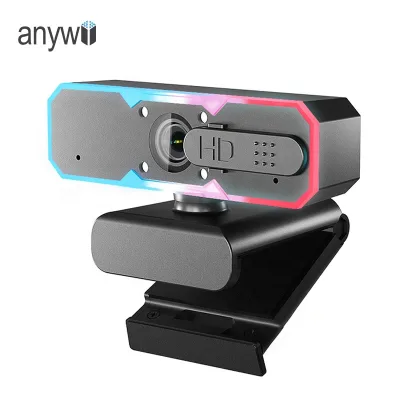
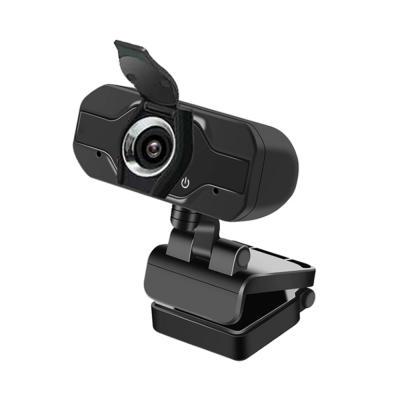
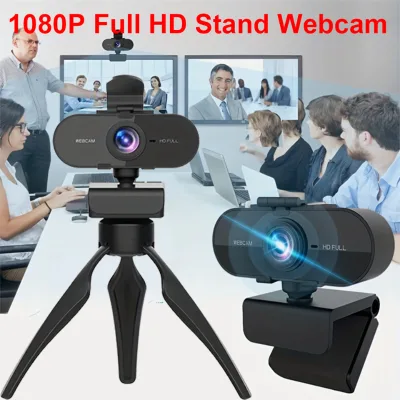
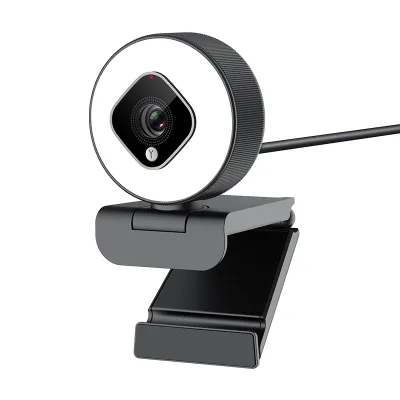
Explore 30 options for a streaming webcam with privacy cover designed for video conferencing, online teaching, and live streaming. Buyers can compare features like resolution, focus type, and microphone quality to find the right device for their needs; compare the available evidence and request quotations based on your requirements.
Key considerations
Products List







Comprehensive Sourcing Guide
Streaming Webcam with Privacy Cover Sourcing Guide
Procuring streaming webcams with privacy covers requires balancing optical performance with physical security features. Buyers must evaluate how the cover mechanism integrates with the lens assembly without compromising image quality or autofocus speed. The presence of a sliding or rotating cover adds mechanical complexity, which can affect long-term durability and user experience. Sourcing teams should prioritize designs that allow quick access while maintaining a secure seal against unauthorized viewing.
The market offers various configurations, from basic USB plug-and-play models to advanced units with built-in microphones and software integration. Understanding the specific use case, whether for video conferencing, online teaching, or live streaming, dictates the necessary feature set. Buyers should verify compatibility with operating systems and ensure the privacy cover does not interfere with wide-angle lenses or auto-light compensation sensors. This guide outlines the critical verification steps for sourcing these devices effectively.
Product Scope and Observed Listing Signals
Current market listings indicate a diverse range of webcam models, with observed prices spanning from approximately $5.85 to $480 USD. This wide variance reflects differences in sensor quality, resolution capabilities, and additional features like built-in noise-cancelling microphones. Buyers should note that some listings specify resolutions up to 1080p at 60fps, while others may offer lower specifications. The minimum order quantities (MOQ) typically range from 1 to 1000 units, allowing flexibility for both small-scale trials and large-volume deployments.
Observed product attributes include CMOS sensors, USB 2.0 interfaces, and various lens types such as VGA or 3.9mm fixed lenses. Some models feature autofocus capabilities and support for multiple video formats like YUV, MJPG, and H.264. The physical design often includes a desktop base with 360-degree adjustable viewing angles. Buyers must carefully cross-reference these observed signals with their technical requirements, as not all listed products may include a privacy cover or the specific resolution claimed in the title.
Technical Specifications to Verify
Verifying the sensor type and resolution is paramount for ensuring video clarity. Buyers should confirm whether the device uses a CMOS sensor and check the maximum resolution, which may range from 1.3 megapixels to 2.0 megapixels or higher. The frame rate is another critical metric, with some models supporting 60fps for smoother motion. Additionally, the lens specifications, such as a 3.9mm focal length or wide-angle design, impact the field of view and suitability for different desk setups.
Connectivity and system compatibility must also be rigorously tested. Most modern webcams utilize USB 2.0 interfaces, but buyers should verify the data transfer rate and plug-and-play functionality. Operating system support should include Windows, macOS, Linux, and potentially Android TV boxes. The presence of built-in microphones, particularly those with noise-cancelling features, adds value for conferencing applications. Buyers should request sample units to test autofocus performance and low-light compensation in real-world environments.
Compliance and Safety Documentation
Regulatory compliance is essential for importing and selling electronic devices in various markets. Buyers must verify that suppliers provide valid certifications such as FCC, CE, and RoHS. These certifications indicate adherence to electromagnetic interference limits, safety standards, and restrictions on hazardous substances. Documentation should be current and issued by recognized testing laboratories to ensure acceptance by customs and regulatory bodies in the destination country.
Beyond basic certifications, buyers should inquire about additional safety standards specific to the product category. For instance, electrical safety and battery safety (if applicable) must meet local regulations. The material composition, often ABS plastic, should be free from harmful chemicals. Buyers should request test reports or certificates of conformity for each batch to mitigate risks associated with non-compliant products. Ensuring proper documentation prevents shipment delays and potential legal liabilities in the target market.
Cost Drivers and Commercial Terms
Several factors influence the final cost of streaming webcams, including sensor quality, resolution, and additional features like microphones or privacy covers. Higher resolutions and faster frame rates typically command premium prices. The inclusion of advanced features such as autofocus, wide-angle lenses, and noise-cancelling microphones also increases manufacturing costs. Buyers should analyze the cost breakdown to understand where value is added and identify potential areas for negotiation.
Commercial terms, including MOQ and lead times, significantly impact procurement strategy. Lower MOQs may result in higher per-unit costs, while larger orders can secure better pricing but require greater capital investment. Buyers should negotiate clear payment terms and warranty conditions, typically ranging from one year. Understanding the total landed cost, including shipping and duties, is crucial for accurate budgeting. Suppliers may offer discounts for repeat orders or long-term contracts, which should be explored to optimize overall expenditure.
Supplier Qualification and Quality Control
Evaluating supplier qualifications is critical to ensuring consistent product quality and reliable delivery. Buyers should verify the supplier’s manufacturing capabilities, including private mold ownership and production capacity. Factories with in-house molding and assembly lines often offer better quality control and faster turnaround times. Checking the supplier’s history and reputation in the industry can provide insights into their reliability and commitment to customer satisfaction.
Implementing a robust quality control process is essential to minimize defects and returns. Buyers should define clear acceptance criteria for visual defects, functional performance, and packaging integrity. Pre-shipment inspections should be conducted to verify that products meet specified standards. Suppliers should provide detailed inspection reports and allow for third-party audits if necessary. Establishing a clear communication channel for addressing quality issues ensures swift resolution and maintains supply chain stability.
Long-Term Procurement Checks
Continuous monitoring of supplier performance is vital for maintaining a stable supply chain. Buyers should track key metrics such as on-time delivery rates, defect rates, and responsiveness to issues. Regular performance reviews help identify potential problems early and foster a collaborative relationship with suppliers. Feedback loops should be established to share quality observations and drive continuous improvement in product design and manufacturing processes.
Adapting to market changes and technological advancements is also crucial for long-term success. Buyers should stay informed about emerging trends in webcam technology, such as higher resolutions, improved low-light performance, and enhanced privacy features. Regularly updating procurement specifications ensures that sourced products remain competitive and meet evolving customer needs. Building a diversified supplier base can mitigate risks associated with single-source dependencies and ensure business continuity in dynamic market conditions.
FAQs
What features does the Luckimage webcam offer for privacy?
The webcam includes peeping prevention and night vision functions to ensure user privacy. It features a desktop base design with a 360-degree adjustable angle of view. The device supports video conferencing and online teaching while maintaining a compact form factor for secure streaming sessions.
Can this webcam be customized for specific branding needs?
Yes, customization is available for this streaming webcam model to meet specific branding requirements. The product supports private mold options and allows for tailored designs. Buyers can request modifications to the color or packaging to align with their corporate identity or marketing strategies effectively.
Which certifications does the Luckimage webcam hold for safety?
The webcam holds FCC, CE, and ROHS certifications to ensure compliance with international safety standards. These certifications verify that the device meets strict electromagnetic and environmental requirements. Buyers can rely on these documented standards when sourcing products for regulated markets in Europe or North America.
How does the autofocus system work on this camera?
This webcam utilizes an autofocus lens system with a focus range starting from 3 cm. The autofocus mechanism ensures clear images during video calls and streaming. It is designed to adapt quickly to different distances, providing sharp visuals for both close-up presentations and wider shots.
What is the maximum resolution supported by this device?
The device supports a maximum resolution of 1280x1.3 Mega pixels with a 1080p 60fps frame rate. It captures high-definition video suitable for professional streaming and online teaching. The CMOS sensor ensures clear image quality while maintaining smooth motion for real-time communication applications.
Which operating systems are compatible with this webcam?
The webcam is compatible with Windows XP, 7, 8, 10, Vista, Linux, Android TV Box, and Mac OS. It connects via USB 2.0 interface for plug-and-play functionality. This broad system support allows users to integrate the device seamlessly into various computing environments without additional driver installation.
What is the warranty period for this streaming webcam?
The product comes with a one-year warranty to protect against manufacturing defects. This coverage ensures reliability for business and personal use cases. Buyers can expect support for any functional issues arising within the warranty period, providing peace of mind for long-term deployment.